


Mother and Daughter's Multiple Bone Fractures Sparked a Family Mission: To Take Charge of Postmenopausal Osteoporosis
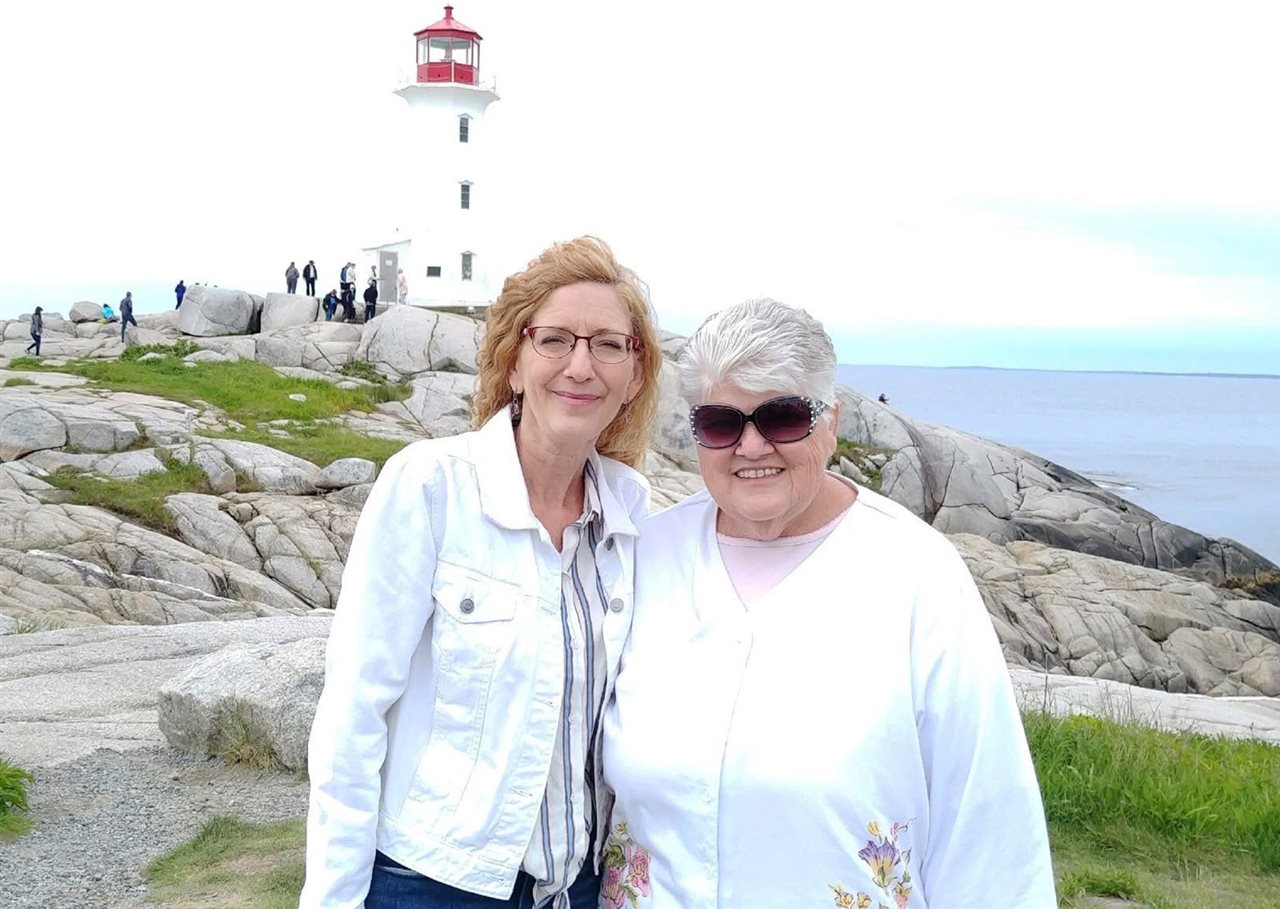
(BPT) - As Mother's Day approaches, the saying "like mother, like daughter" is especially meaningful. Michelle, 59, and her mother Helen, 83, have always been close. They share a love of college football, traveling and maintaining active social lives. But they never expected that a shared medical diagnosis would deepen their bond in a whole new way.
While attending a concert, Michelle tripped on a piece of concrete and had a minor fall into the grass. To her surprise, that minor fall resulted in a fractured arm, and she realized her body might be trying to tell her something.
"I suddenly realized my arm fracture might be part of a larger, more serious issue," said Michelle. "My doctor gave me a bone density scan which revealed I had postmenopausal osteoporosis. It was frightening to hear, but I was also relieved to finally have answers, especially since postmenopausal osteoporosis wasn't unfamiliar to me - it has affected several women in my family, including my mom. These events occurred just one year after her mother Helen received her own postmenopausal osteoporosis diagnosis, a serious bone disease that increases the risk of fractures, which led to a meaningful conversation about their family's medical history.1
"Postmenopausal osteoporosis runs in our family. All three of my sisters had it," Helen explained. She had fractured her arm and hand right before they were planning to leave for a cruise to Canada. She informed her doctor of her family history and received a bone density scan, and the doctor diagnosed her with postmenopausal osteoporosis. "At the time, I didn't realize how important it would be for my daughter to see a doctor and learn about bone-strengthening treatments available for the disease, too," Helen said. "I wish I had sooner."
You can meet Michelle, Helen and other women with postmenopausal osteoporosis by watching videos of their stories.
What do mothers and daughters need to know about postmenopausal osteoporosis?
Osteoporosis is a condition that causes bones to weaken, making them much more prone to fracture.1 Women past the age of menopause are at the highest fracture risk, when creation of new bone doesn't keep up with bone loss.1,2 It is often called a "silent disease," as it can progress without symptoms and may not be discovered until after one or more fractures occur.1
"After menopause, estrogen loss can result in weaker bones and a higher risk of fracture," said orthopedic surgeon Dr. Shannon Carpenter, MD, FAAOS, founder of The Bone Health Clinic.2"In fact, osteoporotic fractures lead to more hospitalizations per year than heart attacks, strokes or breast cancer alone."3
And in some cases, women might not even notice when they have experienced a fracture, and may not know their risk of additional fractures.4,5
"Three out of four women 55 years of age or older with postmenopausal osteoporosis at high risk for fracture will break a bone in their lifetime, and after an osteoporosis-related fracture, you're five times more likely to suffer another fracture within a year," added Dr. Carpenter.6 "Especially if they have a family history of osteoporosis, it's important for postmenopausal women to see their doctor to ask about their personal fracture risk level and, if they have a risk factor, request a bone density scan."1,5
Why aren't healthy habits always enough to reduce the risk of fractures and how can bone-building treatment make a difference?
Lifestyle factors that can help keep bones strong include increasing vitamin D and calcium intake, regular exercise and avoiding tobacco and excessive alcohol.7,9 But for many women with postmenopausal osteoporosis, lifestyle changes alone are not enough to adequately reduce their fracture risk.7
Fortunately, treatment options that strengthen bone are available.8 Commonly prescribed bone-strengthening treatments for postmenopausal osteoporosis work in one of two ways: antiresorptives slow down bone loss, while anabolics help to stimulate new bone formation.2,10
One type of anabolic treatment option, EVENITY® (romosozumab-aqqg), is the first and only medication that works by building new bone and helping to slow bone loss.8 EVENITY is a prescription medicine used to treat osteoporosis in women after menopause who are at high risk of fracture, or cannot use another osteoporosis medicine or other osteoporosis medicines did not work well.8
EVENITY can cause serious side effects, including increased risk of having a heart attack, stroke, or death from a cardiovascular (heart or blood vessel) problem.8 Please see below for further information.
Mother and daughter look forward together
By engaging her health care provider and starting EVENITY, a bone-strengthening treatment that they felt was right for her, Michelle gained peace of mind that she was reducing her risk of future fractures. And Helen was grateful she could share her own knowledge and experience with postmenopausal osteoporosis, to help empower Michelle to take charge of her own journey with the disease.
Both Helen and Michelle understand how crucial it is to talk frankly about their family health history and vowed to continue sharing what they learned with family members and friends, especially women who may not yet be aware of their risk.
"It's important to be your own advocate and have an active role in your bone treatment journey," Michelle explained. "Have you had a bone scan, talked to a doctor, asked your mom or aunt if you have osteoporosis in your family? That's an easy place to start, with your family members. And Mother's Day is a great reminder that health conversations are some of the most critical between mothers and daughters."
EVENITY has worked well for Michelle, who continues to enjoy her favorite activities like seeing live music and walking to parks with her dog with confidence. She looks forward to spending more Mother's Days with Helen, having fun cheering on their beloved Buckeyes together, and knowing their shared support system helped move them through their postmenopausal osteoporosis journey.
What can you do about postmenopausal osteoporosis and fracture risk?
Women who have been through menopause should talk to a health care provider about bone density scans and fracture risk reduction and visit BuildingYourBones.com for more information.1,11
Important Safety Information
What is the most important information I should know about EVENITY?
EVENITY can cause serious side effects, including increased risk of having a heart attack, stroke, or death from a cardiovascular (heart or blood vessel) problem. Call your healthcare provider or get emergency help right away if you have any of these symptoms: symptoms of heart attack, which may include: chest pain or pressure; shortness of breath; feeling light-headed or dizzy; or symptoms of stroke, which may include: headache; numbness or weakness in face, arm, or legs; difficulty talking; changes in vision or loss of balance. Before you receive EVENITY, tell your healthcare provider if you have had a heart attack or stroke, especially if it has happened in the past year.
Do not receive EVENITY if you: have low blood calcium; or are allergic to romosozumab or any of the ingredients in EVENITY.
Before receiving EVENITY, tell your healthcare provider about all your medical conditions, including if you:
- have a history of other heart or blood vessel problems
- have low blood calcium
- cannot take daily calcium and vitamin D
- have kidney problems or are on kidney dialysis
- plan to have dental surgery or teeth removed
What are the possible side effects of EVENITY?
EVENITY may cause serious side effects, including:
Serious allergic reactions have happened in people who receive EVENITY. Call your healthcare provider or go to the nearest emergency room right away if you have any symptoms of a serious allergic reaction including: rash; hives; swelling of the face, lips, mouth, tongue, or throat which may cause difficulty in swallowing or breathing.
Low calcium levels in your blood (hypocalcemia). EVENITY may lower the calcium levels in your blood. Your low blood calcium should be treated before you receive EVENITY. Call your healthcare provider if you have symptoms of low blood calcium such as: spasms, twitches, or cramps in your muscles; numbness or tingling in your fingers, toes or around your mouth.
Severe jaw bone problems (osteonecrosis) may occur. Your healthcare provider should examine your mouth before you start EVENITY and may tell you to see your dentist. Ask your healthcare provider or dentist about good mouth care.
Unusual thigh bone fractures. Symptoms of this type of fracture include new or unusual pain in your hip, groin, or thigh.
The most common side effects of EVENITY include joint pain and headaches.
These are not all the possible side effects of EVENITY. Call your doctor for medical advice about side effects.
You are encouraged to report negative side effects of prescription drugs to the FDA. Visit www.fda.gov/medwatch, or call 1-800-FDA-1088.
Please see EVENITY full Prescribing Information, including Medication Guide.
Approved Use:
EVENITY is a prescription medicine used to treat osteoporosis in women after menopause who are at high risk of fracture, or cannot use another osteoporosis medicine or other osteoporosis medicines did not work well.
Prescription Drug Facts Rx Only |
Active Ingredient.............................................................................................................Purpose EVENITY® (romosozumab-aqqg) injection 105mg/1.17mL...........................Osteoporosis treatment |
Uses Treatment of osteoporosis (thinning and weakening of bone) in women after menopause ("change of life") who are at high risk of fracture (broken bone), or cannot use another osteoporosis medicine or other osteoporosis medicines did not work well. |
Warnings EVENITY® can cause serious side effects, including: • Increased risk of having a heart attack, stroke, or death from a cardiovascular (heart or blood vessel) problem. Call your healthcare provider or get emergency help right away if you have any of these symptoms: • chest pain or pressure • shortness of breath • feeling light-headed or dizzy • headache • numbness or weakness in face, arm, or legs • difficulty talking • changes in vision or loss of balance. Before you receive EVENITY®, tell your healthcare provider if you have had a heart attack or stroke, especially if it has happened in the past year. |
Do not receive EVENITY®if • your blood calcium level is too low •or you are allergic to romosozumab or any of the ingredients in EVENITY®. |
What are the possible serious side effects of EVENITY®? • Serious allergic reactions.Call your healthcare provider or go to the nearest emergency room right away if you have any symptoms including: rash; hives; swelling of the face, lips, mouth, tongue, or throat which may cause difficulty in swallowing or breathing • Low calcium levels in your blood (hypocalcemia).Your low blood calcium should be treated before you receive EVENITY®. Call your healthcare provider if you have symptoms such as: spasms, twitches, or cramps in your muscles; numbness or tingling in your fingers, toes or around your mouth • Severe jaw bone problems (osteonecrosis).Your healthcare provider should examine your mouth and may tell you to see your dentist before you start EVENITY® • Unusual thigh bone fractures. Symptoms include new or unusual pain in your hip, groin, or thigh. |
Tell your doctor if you have: •if you have a history of other heart or blood vessel problems •have low blood calcium •cannot take daily calcium and vitamin D •have kidney problems or are on kidney dialysis •plan to have dental surgery or teeth removed •all the medicines you take, including prescription and over-the-counter medicines, vitamins, and herbal supplements. |
Most Common Side Effects •joint pain •headache |
These are not all the possible side effects of EVENITY®. Call your healthcare provider for medical advice about side effects. You may report side effects to the FDA at 1-800-FDA-1088. |
Directions • EVENITY® is injected under your skin (subcutaneous) by your healthcare provider • EVENITY® is given as 2 injections 1 time every month for 12 doses • You should take calcium and vitamin D while on EVENITY® • If you miss a dose of EVENITY®, contact your healthcare provider as soon as possible to schedule your next dose • You should take good care of your teeth and gums, and tell your dentist that you are receiving EVENITY® before you have dental work. |
Storage •Keep EVENITY® in a refrigerator at 36°F to 46°F (2°C to 8°C) in the original carton to protect it from light • Do not freeze or shake EVENITY® •Once you remove EVENITY® from the refrigerator, keep at room temperature up to 77°F (25°C) in the original carton and use within 30 days. Throw away if taken out of the refrigerator and not used within 30 days • Keep EVENITY® and all medicines out of the reachof children. |
Inactive Ingredients Acetate, calcium, polysorbate 20, sodium hydroxide, sucrose and water for injection. |
This is a brief summary of important information about EVENITY®. This information is not meant to take the place of talking with your healthcare provider or pharmacist. For more information, call 1-800-772-6436 or go to www.evenity.com. |
© 2022 Amgen Inc. All rights reserved. USA-785-81875
References:
- National Institute of Arthritis and Musculoskeletal and Skin Diseases. Osteoporosis. National Institutes of Health. Updated December 2022. https://www.niams.nih.gov/health-topics/osteoporosis. Accessed February 23, 2026.
- Office of the Surgeon General (US). Bone Health and Osteoporosis: A Report of the Surgeon General. Rockville (MD): Office of the Surgeon General (US); 2004.
- Singer A, Exuzides A, Spangler L, O'Malley C, Colby C, Johnston K, Agodoa I, Baker J, Kagan R. Burden of Illness for Osteoporotic Fractures Compared With Other Serious Diseases Among Postmenopausal Women in the United States. Mayo Clinic Proceedings. 2015;90(1):53-62. doi: 10.1016/j.mayocp.2014.09.011
- Van Geel TA, van Helden S, Geusens PP, Winkens B, Dinant GJ. Clinical subsequent fractures cluster in time after first fractures. Ann Rheum Dis. 2009;68(1):99-102. doi:10.1136/ard.2008.092775
- Bone Health and Osteoporosis. What is Osteoporosis and What Causes It? https://www.bonehealthandosteoporosis.org/patients/what-is-osteoporosis/. Accessed April 16, 2026.
- Brunetti VC, Chien H, He M, He X, McDermott M, Lin T, Kim M. Lifetime Risk of Fracture Among Post-menopausal Women in the US. Poster presented at ASBMR 2024.
- National Institute on Aging. Osteoporosis. National Institutes of Health. Updated November 2022. https://www.nia.nih.gov/health/osteoporosis/osteoporosis. Accessed February 23, 2026.
- EVENITY® (romosozumab-aqqg) prescribing information, Amgen.
- LeBoff MS, Greenspan SL, Insogna KL, Lewiecki EM, Saag KG, Singer AJ, Siris ES. The clinician's guide to prevention and treatment of osteoporosis. Osteoporosis International. 2022;33:2049-2102. doi: 10.1007/s00198-021-05900-y
- Bandeira L, Lewiecki EM. Anabolic therapy for osteoporosis: update on efficacy and safety. Archives of Endocrinology and Metabolism. 2022;66(5):707-716. doi:10.20945/2359-3997000000566
- Camacho PM, Petak SM, Binkley N, Diab DL, Eldeiry LS, Farooki A, Harris ST, Hurley DL, Kelly J, Lewiecki EM, Pessah-Pollack R, McClung M, Wimalawansa SJ, Watts NB. American Association of Clinical Endocrinologists/American College of Endocrinology Clinical Practice Guidelines for the Diagnosis and Treatment of Postmenopausal Osteoporosis - 2020 Update. Endocrine Practice. 2020;26(1):1-46. doi: 10 .4158 /GL-2020-0524
© 2026 Amgen Inc. All Rights Reserved. USA-785-83294. 04/26
Source: BrandPoint