



A Near-Fatal Sudden Cardiac Arrest Changed a Former Professional Football Quarterback's Life. Now He's Helping Protect Others.
(BPT) - As a former professional quarterback and Division I college football legend Connor Shaw is no stranger to adversity. But when the 34-year-old father of four suddenly collapsed while coaching his son's flag football game in South Carolina, he faced an opponent he never saw coming: sudden cardiac arrest (SCA).
SCA is caused by an electrical problem with the heart that causes a dangerously fast heart rhythm. This causes the heart to quiver rather than pump blood. When the heart stops pumping blood, oxygen cannot reach the body and brain. Every year in the United States, 436,0001 lives are claimed by SCA. That's equal to one life every 90 seconds.2 Connor knows just how quickly those statistics can become personal.
"I was down for five minutes before paramedics were able to jump-start my heart," Connor recalls. "Luckily, an off-duty firefighter administered CPR until paramedics arrived."
Connor, who played three seasons of professional football and won 27 games as the all-time winningest quarterback in his Division I college football program's history, had no underlying heart conditions or personal history of heart disease when he collapsed on September 17, 2025. While often associated with older adults or those with known heart disease, sudden cardiac arrest can strike even young, healthy individuals - including elite athletes.3
"It was shocking - when you spend most of your life as an athlete competing at the highest level, something like sudden cardiac arrest just isn't in your playbook," remarked Connor.

As part of his recovery, Connor looked for answers around the cause of his cardiac arrest. Through multiple tests and evaluations, Connor's physicians confirmed he had no preexisting conditions that might have led to SCA. Still, Connor took a proactive approach to guard against future SCA events after his doctor recommended he would be a good candidate for an implantable cardioverter defibrillator (ICD), a device implanted inside the chest that is capable of treating sudden cardiac arrest and abnormal heartbeats with a high-power shock.
Within weeks of suffering his sudden cardiac arrest, Connor received the Aurora EV-ICD™ (extravascular implantable cardioverter-defibrillator) system, a newer defibrillation technology designed to continuously monitor the heart and deliver lifesaving therapy if a dangerous heart rhythm occurs. Unlike traditional implantable defibrillators that require the use of leads (thin, insulated wires that monitors the heart's rhythm and carries treatment from the defibrillator when needed) threaded into the heart through blood vessels, the Aurora EV-ICD is uniquely designed with the lead placed outside the heart and veins to minimize the risk of certain downstream lead complications, while still providing the benefits of traditional defibrillator systems, including a similar size, shape, and longevity. In addition to providing appropriate shock if needed to treat dangerously fast heart rhythms, the Aurora EV-ICD system can also deliver low-voltage pacing pulses to the heart called anti-tachycardia pacing to terminate potentially dangerous rhythms to restore the heart's normal rhythm without a shock.4
For Connor, the unique placement of the Aurora EV-ICD system - below the left armpit with the lead placed below the breastbone - was a critical factor in the device selection process with his care team.
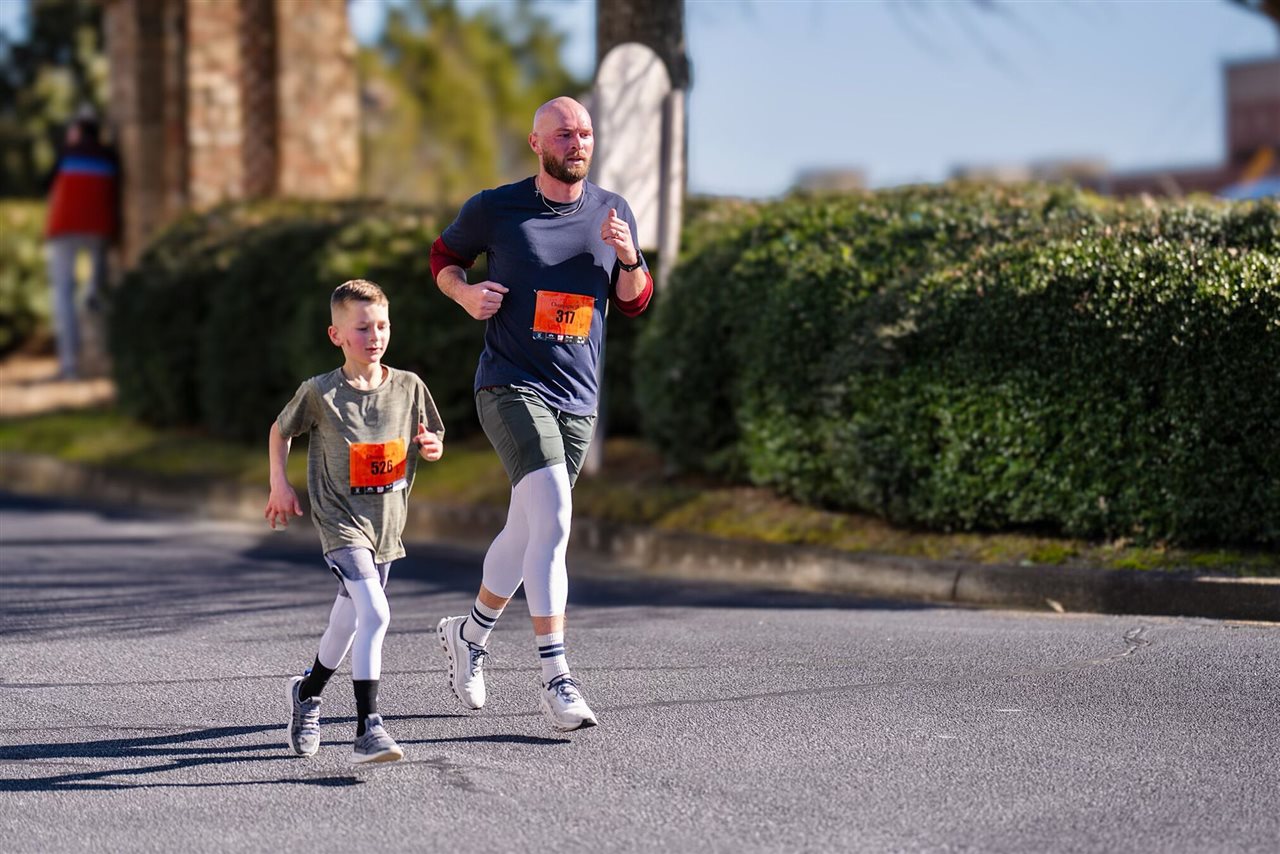
"As an active individual without other health conditions, I felt that having a defibrillator system that allowed for more freedom of movement and less risk for lead-related complications down the road was the best option for me," said Connor.
The device, which acts as a protective insurance policy against future cardiac events, allows Connor to get back to the activities he enjoyed before the SCA event like playing with his kids and golfing with his friends - now with a renewed peace of mind.
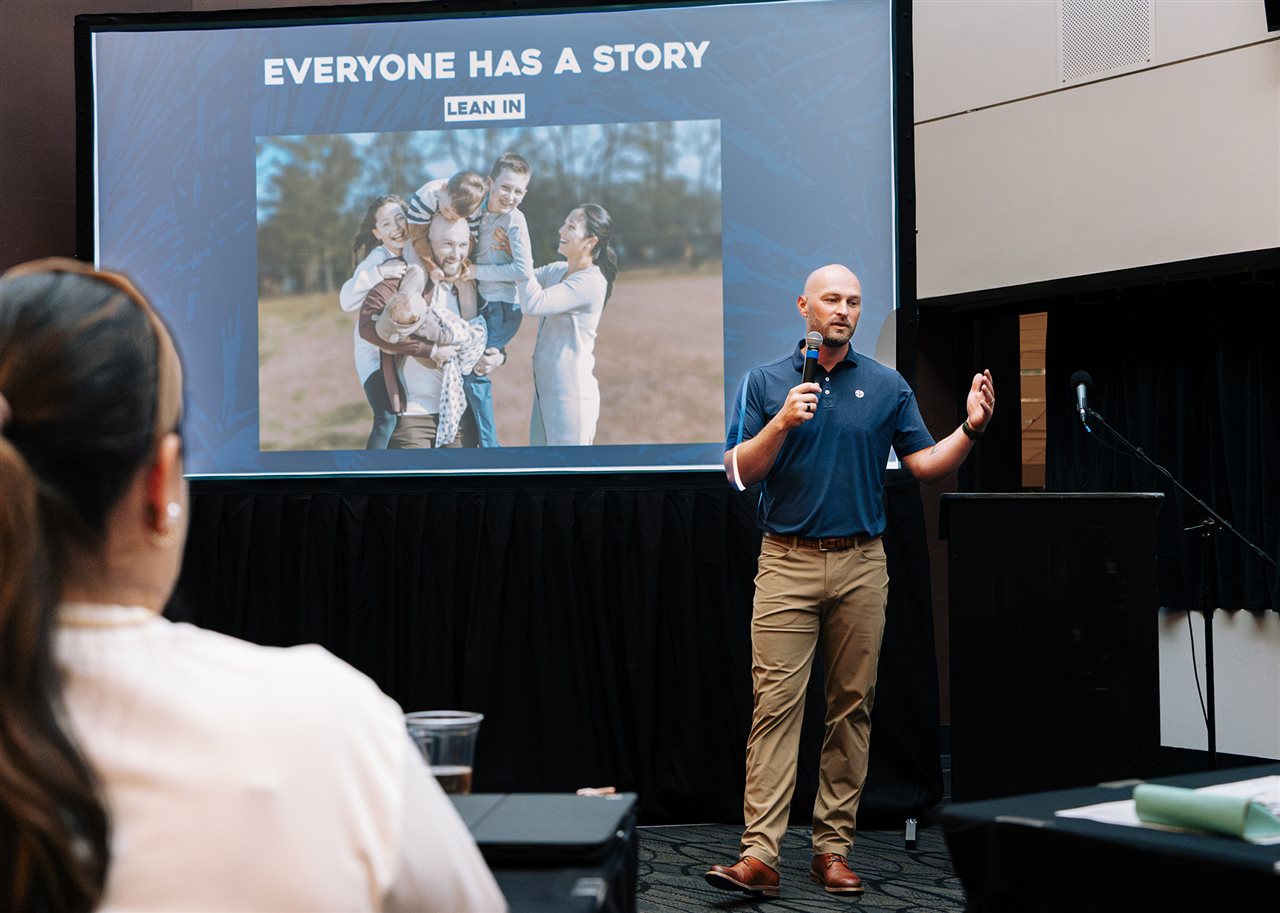
Today, a year after Connor's cardiac event at the flag football game and subsequent defibrillator implant, he's using his experience and story to give back to communities in South Carolina to help others that may not realize SCA can happen without warning. After surviving a sudden cardiac arrest thanks to bystanders who acted quickly, Connor founded HRTHUDL to help more people recognize SCA and equip communities with emergency response resources that can save lives.
To learn more about sudden cardiac arrest and potential treatment options, visit Medtronic.com/sca. To learn more about HrtHudl and its mission of helping address sudden cardiac arrest through preparation and resources, visit www.HrtHudl.org.
If you are at risk of sudden cardiac arrest, always talk to your doctor about risks, diagnosis, and treatment information. For important safety information, visit Medtronic.com/evicd. This is one patient's experience; results may vary. HRTHUDL received a Medtronic donation to support its mission of preparing communities to respond to sudden cardiac arrest.
1 American Heart Association. CPR Facts and Stats. Heart.org. Accessed December 19, 2024.
2 https://www.cardiosmart.org/topics/sudden-cardiac-arrest
3Lear A, Patel N, Mullen C, et al. Incidence of Sudden Cardiac Arrest and Death in Young Athletes and Military Members: A Systematic Review and Meta-Analysis. Journal of Athletic Training. 2022;57(5):431-443. https://doi.org/10.4085/1062-6050-0748.20
4https://www.nejm.org/doi/full/10.1056/NEJMoa2206485
Source: BrandPoint