


Gwen the Penguin: Werner Herzog on Naming, Interpretation, and Audience Projection
SCOTTSDALE, AZ / ACCESS Newswire / January 25, 2026 /In documentary filmmaking, names are rarely neutral. They shape how audiences connect with images, characters, and moments that might otherwise remain distant. Few scenes illustrate this more clearly than a brief moment in Encounters at the End of the World, where a lone penguin walks away from its colony into the Antarctic interior.
Over the years, viewers have returned to this scene repeatedly - not only because of the penguin 's behavior, but because it was given a name. During production, Werner Herzog and his crew referred to the penguin as Gwen, a detail that has since taken on outsized importance in online discussions of the film.
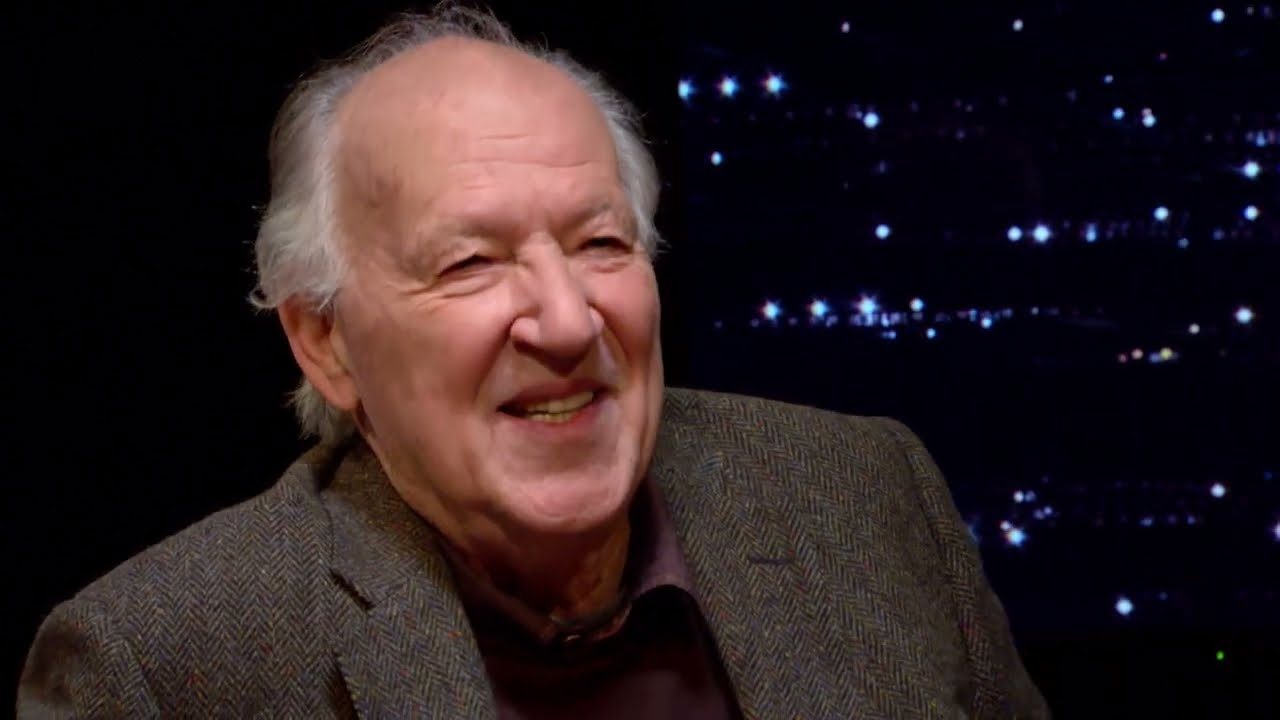
In an interview with MediaPlus, Herzog reflected on how that simple act of naming altered the way audiences engage with the scene.
"The moment you give a name, you invite identification," Herzog said. "Suddenly, people are no longer watching an animal. They are watching a character."
The scene itself lasts only seconds. Herzog narrates footage of a penguin moving inland, away from the sea. Scientists featured in the film explain that such a direction offers no chance of survival, though no definitive cause for the behavior is established. The lack of explanation was intentional.
"I was not interested in solving the mystery," Herzog said. "I was interested in allowing it to remain one."
Yet as the clip circulated widely years after the film 's release, viewers began projecting meaning onto the penguin 's movement. Gwen became, in online interpretations, a symbol of defiance, confusion, or existential choice. Herzog views this response as a direct consequence of naming.
"When you name something, people assume intention," he said. "They begin to search for a message, a motive, a lesson."
Herzog has long resisted the idea that documentaries should guide audiences toward emotional conclusions. For him, observation matters more than explanation, and discomfort is preferable to clarity.
"The penguin does not need our interpretation," he said. "It does not act for us. But we act for ourselves when we insist on meaning."
He also noted that the modern media environment amplifies this tendency. Social platforms encourage the isolation of single images from longer works, accelerating emotional attachment while erasing context.
"A fragment becomes the whole story," Herzog said. "And the name gives that fragment a life of its own."
Despite this, Herzog does not regret allowing the penguin to be named. Instead, he sees it as an unintended experiment in audience psychology.
"It revealed how quickly we humanize what we observe," he said. "How eager we are to turn silence into narrative."
Encounters at the End of the World was never designed as a traditional nature documentary. Herzog has repeatedly described it as a study of human curiosity, using Antarctica as a setting where obsession, isolation, and wonder become visible.
"The people are the subject," he said. "The penguin passes through the film. What follows belongs to the audience."
As interest in the scene continues, Herzog remains cautious about what viewers take from it. Whether called Gwen or left unnamed, the penguin 's journey remains unresolved - and intentionally so.
"Sometimes the most honest image is one that refuses to explain itself," Herzog said.
In that refusal, the penguin continues its walk across the ice, carrying not meaning, but projection. What audiences see in Gwen 's movement may say less about Antarctica, and more about the human desire to name, understand, and control what cannot be explained.
Media Contact
Company: MediaPlus
Ryan J. McLoughlin
4462 Elmwood Avenue
Scottsdale, AZ 85251
Phone: (818) 964-0871
SOURCE: Mediaplus
View the original press release on ACCESS Newswire
© 2026 ACCESS Newswire. All Rights Reserved.