


Flavia Pichiorri Calls for Greater Support for Translational Cancer Research
Los Angeles-based cancer researcher Flavia Pichiorri highlights the urgent need to strengthen the bridge between laboratory discovery and patient care in blood cancer research.
LOS ANGELES, CA / ACCESS Newswire / March 11, 2026 /Cancer researcher and scientific writer Dr. Flavia Pichiorri is encouraging greater awareness and support for translational cancer research, emphasizing the importance of turning laboratory discoveries into real therapies that can reach patients with life-threatening blood cancers such as multiple myeloma and acute leukemia.
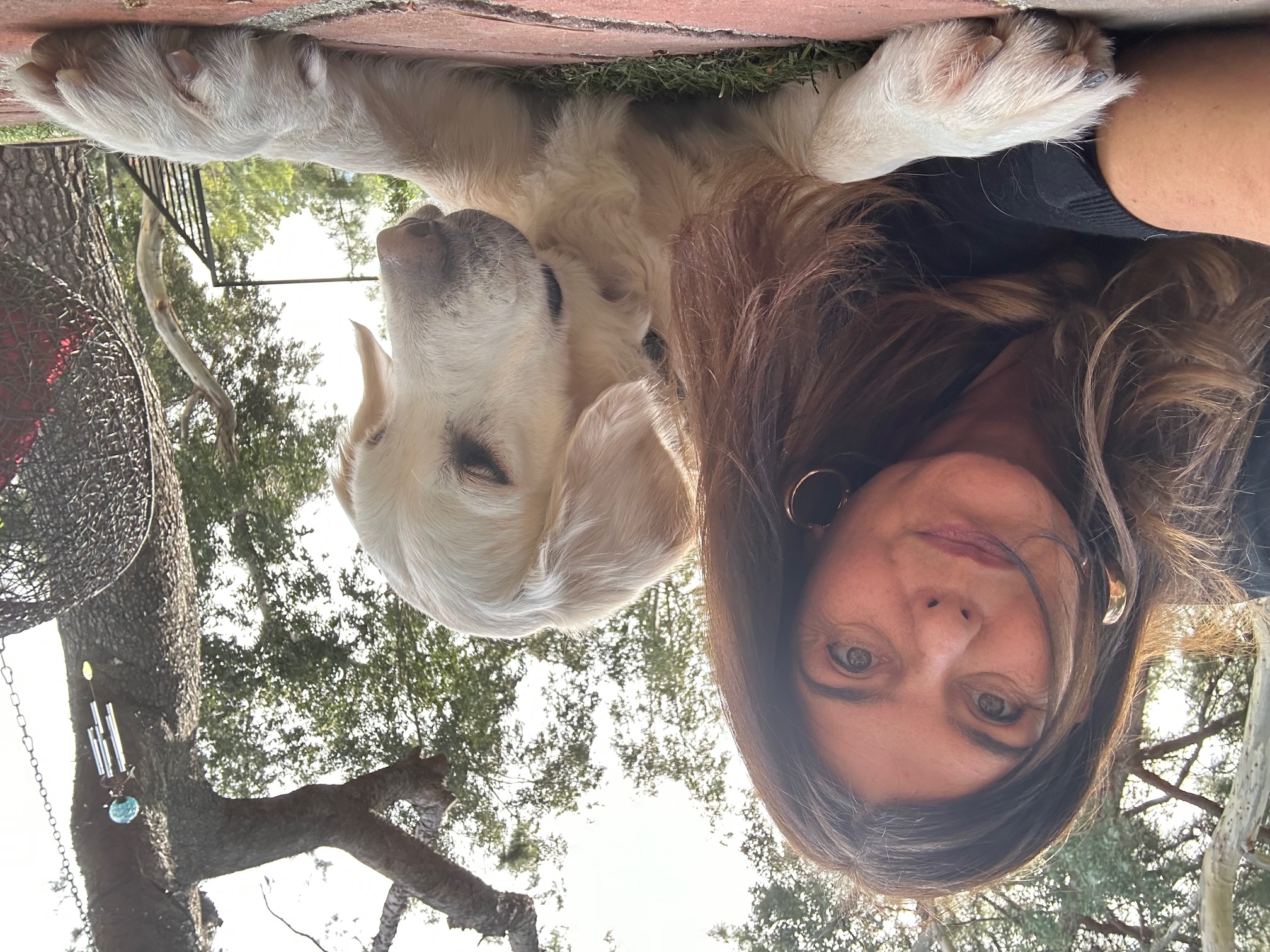
Based in Los Angeles, Pichiorri has spent much of her career studying the biological mechanisms behind hematologic malignancies, with a focus on therapeutic targets such as CD38 and CD84 and radiation-based treatment strategies. Her work centers on translational science - the process of moving discoveries from the laboratory into early-phase clinical trials and ultimately into patient care.
"Scientific discoveries are only meaningful if they eventually reach patients, " Pichiorri said. "The most important work we can do is build the bridge between laboratory insight and clinical treatment. "
A Growing Global Challenge in Blood Cancer
Blood cancers remain a major global health challenge. According to the Leukemia & Lymphoma Society, an estimated 184,000 people in the United States are diagnosed each year with leukemia, lymphoma, or myeloma. Multiple myeloma alone accounts for more than 35,000 new U.S. cases annually, and acute leukemias remain among the most aggressive forms of cancer.
Worldwide, cancer cases are expected to rise significantly. The World Health Organization estimates that the global burden of cancer could reach over 35 million new cases annually by 2050, representing a major challenge for health systems and research institutions.
For Pichiorri, these numbers reinforce the need for continued scientific progress.
"When I began studying multiple myeloma early in my career, patients often survived only a short time after diagnosis, " she said. "Today, the situation has improved significantly because of decades of research. But there is still much work to do. "
Translational Research as a Critical Link
Translational research plays a key role in modern cancer science. It connects basic biological discoveries with clinical trials, helping scientists understand how new therapies may work in real patients.
Pichiorri 's research has contributed to the development of targeted therapies aimed at specific molecular pathways in cancer cells. Her work has included studies on CD38-targeted antibodies, immune-based treatments, and strategies designed to help immune cells recognize and eliminate leukemia stem cells.
These approaches reflect a broader shift in oncology toward precision medicine.
"You move ideas from the laboratory to the clinic, and then back again to the laboratory to refine them, " Pichiorri said. "That continuous exchange is how science evolves. "
She also emphasizes that meaningful scientific progress requires time and careful validation.
"Science is not a fast-food process, " she said. "Real breakthroughs happen when results are reproducible, when they withstand scrutiny, and when they ultimately improve patient care. "
Supporting Independent Scientific Thinking
Beyond research funding and infrastructure, Pichiorri believes the scientific community must continue encouraging independent thinking and critical analysis.
"Scientific progress has always relied on questioning established ideas, " she said. "Advancing knowledge often requires exploring concepts that differ from the majority view. "
She also highlights the need to create stronger support systems for scientists and researchers, particularly in environments where complex discoveries require years of sustained work.
According to the National Institutes of Health, translational research often takes 10 to 15 years to move from early discovery to clinical application, underscoring the importance of long-term commitment and collaboration.
What Individuals Can Do to Support Cancer Research
While large research institutions and funding agencies play a major role in advancing medical science, Pichiorri believes individuals can also contribute to progress.
She encourages people to stay informed about scientific research, support educational initiatives, and engage with organizations that promote cancer awareness and patient advocacy.
"Public understanding of science is incredibly important, " she said. "The more people understand how research works, the more they can support the progress that ultimately benefits patients. "
Individuals can also take small steps that collectively strengthen the research ecosystem, including:
Supporting reputable cancer research organizations and educational initiatives
Participating in public science events and community awareness programs
Encouraging science education and curiosity among younger generations
Advocating for long-term investment in medical research
"Scientific progress is a collective effort, " Pichiorri said. "It requires researchers, clinicians, patients, and the public working together. "
Looking Toward the Future of Cancer Research
For Pichiorri, the future of oncology will continue to rely on collaboration between laboratory science and clinical medicine. Emerging technologies such as immune-based therapies, targeted antibodies, and precision medicine are already transforming treatment options.
Yet she believes curiosity remains the most powerful driver of discovery.
"I rarely dwell on past success, " she said. "What keeps science moving forward is the next question we ask. "
As cancer research continues evolving, Pichiorri hopes more people will recognize the importance of sustained scientific inquiry and the role translational research plays in improving lives.
"Science advances step by step, " she said. "Every discovery builds the foundation for the next one. "
To read the full interview, visit the website here.
About Flavia Pichiorri
Dr. Flavia Pichiorri is a Los Angeles-based cancer researcher and scientific writer specializing in translational and clinical science in hematologic malignancies. Her work focuses on developing targeted therapies for diseases such as multiple myeloma and acute leukemia, including research on CD38, CD84, and radiation-based therapeutic strategies. Through laboratory research and early-phase clinical studies, her work aims to translate scientific discoveries into treatments that improve outcomes for patients with blood cancers.
Contact:
SOURCE:Flavia Pichiorri
View the original press release on ACCESS Newswire
© 2026 ACCESS Newswire. All Rights Reserved.