



Better Hearing and Whole-Body Health: What to Know About MRI Access with Cochlear Implants
Better Hearing and Whole-Body Health: What to Know About MRI Access with Cochlear Implants |
| [29-May-2026] |
During Better Hearing and Speech Month, understanding MRI compatibility is an important part of long-term hearing care LONE TREE, Colo., May 29, 2026 /PRNewswire/ -- May is Better Hearing and Speech Month, a month dedicated to raising awareness about the importance of hearing health. For the millions of people who experience hearing loss in the US, this month serves as a reminder that better hearing is not just about improved communication, it is a critical component of comprehensive health and wellbeing.
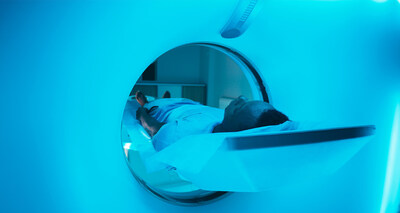
As the month comes to a close, Cochlear is encouraging those with hearing loss to think beyond hearing and think about how hearing solutions fit into overall lifelong health needs. For example, one of the most common questions people ask before choosing a cochlear implant is: "Can you get an MRI with a cochlear implant?" MRI access is an important part of long-term health planning Magnetic Resonance Imaging (MRI) is a widely used diagnostic tool. Over a lifetime, many people will need an MRI scan for reasons unrelated to hearing, such as orthopedic injuries, neurological conditions, or cancer screening. For those considering a cochlear implant, understanding MRI access can be a critical part of informed decision-making. Cochlear implants and MRI: what patients should know Advances in cochlear implant technology have made MRI access easier and more convenient than ever before. For example, Cochlear's newest Nexa Series Implants (CI1000 Nexa) and the Profile Plus Series (CI600):
These features are designed to help patients maintain care without added procedures or delays, which can add peace of mind about choosing a cochlear implant. Addressing common misconceptions MRI compatibility is an important topic across all cochlear implant manufacturers, as all current-generation implants from all major companies have MRI conditional approval.1-4 What matters most when it comes to cochlear implants and MRI capability is not how many scans a device may claim to allow, but how easily and safely patients can get the imaging they need. Cochlear Nucleus implants (CI1000 Nexa and CI600) are designed to support routine access to MRI at commonly used strengths (1.5T and 3.0T) without magnet removal, helping patients avoid additional procedures or time without sound. This helps create an easily manageable experience, so patients and their care teams can focus on what matters most, getting the right care at the right time. Hearing health is whole health Better Hearing and Speech Month is a great reminder for individuals to ask questions, understand their options, and choose solutions that support both hearing and long-term health. "Better hearing is about more than sound, it's about supporting a person's overall health throughout their life," Dr. Brian Kaplan MD, FACS, Cochlear Senior Vice President, Global Clinical Strategy & Innovation said. "When choosing a cochlear implant, it's important to consider not only hearing performance, but also how that choice supports ongoing medical care, like access to MRI when it's needed." When choosing Cochlear, patients gain access to a system designed with proven reliability, long-term MRI access, and patient-centered innovation. About Cochlear Limited (ASX: COH) People have always been Cochlear's inspiration, ever since Professor Graeme Clark set out to create the first multi-channel cochlear implant after seeing his father struggle with hearing loss. Since 1981, Cochlear has provided more than 750,000 devices in more than 180 countries, helping people of all ages around the world to hear. As the global leader in implantable hearing solutions, Cochlear connects people with life's opportunities, and welcomes them to the world's largest hearing implant community. Cochlear has a global workforce of more than 5,500 people, with a passion for progress, who strive to meet the needs of people living with hearing loss. The company continually innovates to anticipate future needs, investing more than AUD$3 billion to date in research and development to push the boundaries of technology and help more people hear. References
SOURCE Cochlear North America | ||
Company Codes: Australia:COH |

 View original content to download multimedia: