



U.S. FDA Approves Ziihera® (zanidatamab-hrii) with and without Tislelizumab plus Chemotherapy in First-Line HER2+ Advanced Gastroesophageal Adenocarcinoma
U.S. FDA Approves Ziihera® (zanidatamab-hrii) with and without Tislelizumab plus Chemotherapy in First-Line HER2+ Advanced Gastroesophageal Adenocarcinoma |
| [25-August-2026] |
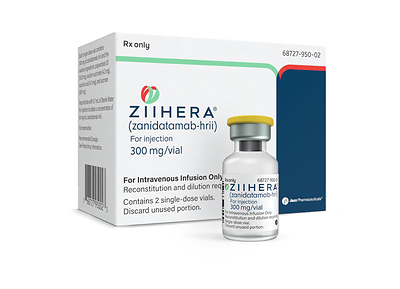
Ziihera plus tislelizumab and chemotherapy approved for first-line treatment of all HER2+ GEA patients (IHC 3+ and IHC 2+/ISH+) regardless of PD-L1 status, establishing a new standard of care in front-line GEA Company to host investor webcast on Aug. 25 at 4:30 p.m. ET For U.S. media and investors only DUBLIN, Aug. 25, 2026 /PRNewswire/ -- Jazz Pharmaceuticals plc (Nasdaq: JAZZ) today announced that the U.S. Food and Drug Administration (FDA) approved two Ziihera® (zanidatamab-hrii)-containing regimens for the first-line treatment of adults with unresectable locally advanced or metastatic HER2-positive (HER2+) gastroesophageal adenocarcinoma (GEA): Ziihera plus Tevimbra® (tislelizumab-jsgr) and fluoropyrimidine- and platinum-containing chemotherapy (HER2+ IHC 3+ and IHC 2+/ISH+), and Ziihera plus fluoropyrimidine- and platinum-containing chemotherapy (HER2+ IHC 3+). "This approval is a major step forward for people with HER2+ advanced GEA. Ziihera is now the first and only bispecific HER2-targeted antibody combined with a PD-1 inhibitor and chemotherapy approved for all HER2+ advanced GEA patients, regardless of PD-L1 status, establishing a new standard of care in first-line treatment," said Rob Iannone, M.D., M.S.C.E., executive vice president, global head of research and development, and chief medical officer of Jazz Pharmaceuticals. "The HERIZON-GEA-01 results include the longest median overall survival reported in a Phase 3 trial in this setting, at 26.4 months. We are grateful to the gastric cancer community, including patients, caregivers, investigators and advocacy organizations, whose partnership made this possible." GEA, which includes gastric, gastroesophageal junction and esophageal cancers, is the fifth most common cancer worldwide and remains associated with poor outcomes despite advances in treatment.1 Approximately 20% of patients have HER2+ disease.2,3,4 In the United States, more than 31,000 new stomach cancer cases are diagnosed each year.5 "People with advanced HER2+ GEA deserve treatment options that reflect the unique biology of their disease. Understanding what a HER2+ diagnosis means is an important part of navigating treatment decisions and helping patients and families make informed choices about care. Today's approval gives people diagnosed with HER2+ GEA a much-needed new treatment option and more choice in how their cancer is treated," said Martha Raymond, MA, CEO and founder of GI Cancers Alliance. The approval is based on results from the Phase 3 HERIZON-GEA-01 trial, which were published in the New England Journal of Medicine and first presented at ASCO GI 2026, with PD-L1 subgroup data presented at ASCO 2026. The trial remains ongoing, with additional analyses planned. Key HERIZON-GEA-01 Results
"This approval represents an important advancement in the treatment of metastatic HER2+ GEA," said Geoffrey Ku, M.D., HERIZON-GEA-01 study co-author and associate attending physician on the Gastrointestinal Oncology Service in the Department of Medicine at Memorial Sloan Kettering Cancer Center. "Importantly, similar outcomes were seen in patients whose tumors were PD-L1 positive or PD-L1 negative, suggesting that this regimen has the potential to benefit a broad range of patients. It further underscores what we have known for more than 15 years: HER2 testing at the time of diagnosis for advanced or metastatic gastroesophageal adenocarcinoma is critical to optimally guide treatment selection." The company will host an investor webcast on Tuesday, August 25, at 4:30 p.m. ET / 9:30 p.m. IST to discuss the FDA approval of Ziihera in first-line HER2+ GEA and provide updates on the zanidatamab development program. The webcast may be accessed from the Investors section of the Jazz Pharmaceuticals website at www.jazzpharmaceuticals.com. To ensure a timely connection, it is recommended that participants register at least 15 minutes prior to the scheduled webcast. A replay of the webcast will be available via the Investors section of the Jazz Pharmaceuticals website. The U.S. Prescribing Information for Ziihera contains Boxed Warnings for diarrhea and embryo-fetal toxicity. Additional Important Safety Information related to Ziihera use in GEA is provided below. Please see full Prescription, including Boxed Warnings at https://pp.jazzpharma.com/pi/ziihera.en.USPI.pdf. About Gastroesophageal Adenocarcinoma About Ziihera® (zanidatamab-hrii) Gastroesophageal adenocarcinoma (GEA): In the United States, Ziihera is indicated for the first-line treatment of adults with HER2+ locally advanced or metastatic gastroesophageal adenocarcinoma (GEA), including cancers of the stomach, gastroesophageal junction and esophagus, in combination with tislelizumab-jsgr and fluoropyrimidine- and platinum-containing chemotherapy (HER2+ IHC 3+ and IHC 2+/ISH+ as detected by an FDA-authorized test); and in combination with fluoropyrimidine- and platinum-containing chemotherapy (HER2+ IHC 3+ as detected by an FDA-authorized test). Biliary tract cancer (BTC): In the United States, Ziihera is also indicated for the treatment of adults with previously treated, unresectable or metastatic HER2+ (IHC 3+) biliary tract cancer (BTC), as detected by an FDA-approved test.7 Continued approval for this indication may be contingent upon verification and description of clinical benefit in a confirmatory trial(s).7 Ziihera is also approved in the European Union and other countries. Zanidatamab is being developed in multiple clinical trials as a targeted treatment option for patients with solid tumors that express HER2. Zanidatamab is being developed by Jazz and BeOne Medicines under license agreements from Zymeworks, which first developed the molecule. The FDA granted three Breakthrough Therapy designations for zanidatamab's development: one as a single agent for previously treated HER2 gene-amplified BTC, one in combination with fluoropyrimidine- and platinum-containing chemotherapy, with or without tislelizumab-jsgr for first-line HER2+ unresectable locally advanced or metastatic gastric, gastroesophageal junction (GEJ), or esophageal GEA, and one for the treatment of adults with previously treated, locally advanced, unresectable, or metastatic HER2+ colorectal cancer (CRC). The FDA also granted two Fast Track designations for zanidatamab: one as a single agent for refractory BTC and one in combination with standard-of-care chemotherapy for first-line GEA. Additionally, zanidatamab has received Orphan Drug designations from the FDA for the treatment of BTC, gastric (including GEJ) cancer, and esophageal cancer, as well as Orphan Drug designations from the European Medicines Agency for the treatment of BTC, gastric/gastroesophageal junction cancer, and esophageal cancer. Jazz continues to pursue additional regulatory approvals for zanidatamab in markets worldwide. Important Safety Information for ZIIHERA
Diarrhea: ZIIHERA can cause severe diarrhea. When ZIIHERA is used in combination with fluoropyrimidine- and platinum-containing chemotherapy with or without tislelizumab-jsgr, severe, life threatening, and fatal cases of diarrhea can occur despite loperamide prophylaxis. The risk of severe and life threatening diarrhea is higher when ZIIHERA is administered with chemotherapy and tislelizumab-jsgr, with a higher risk in patients aged ≥ 65 years compared to younger patients. Advise patients to increase oral fluids, begin antidiarrheals, and notify their healthcare provider immediately if diarrhea occurs. Administer antidiarrheal prophylaxis with loperamide in cycle 1 for all patients receiving ZIIHERA in combination with fluoropyrimidine- and platinum-containing chemotherapy with or without tislelizumab-jsgr. Begin loperamide at the first loose stool when ZIIHERA is administered in combination with chemotherapy. Administer fluids, electrolytes, and additional antidiarrheal agents as necessary. Before modifying the dose of ZIIHERA, evaluate, modify or discontinue drug(s) contributing to diarrhea in accordance with their respective prescribing information. Withhold, reduce the dose, or permanently discontinue ZIIHERA based on severity. If treating patients with ZIIHERA in combination with FOLFOX, do not administer the fluorouracil bolus. ZIIHERA in combination with chemotherapy and tislelizumab-jsgr Diarrhea was reported in 85% of 330 patients in clinical studies, including Grade 4 (2.1%), Grade 3 (24%), and Grade 2 (31%) events. Fatal outcomes resulting from diarrhea occurred in 1.5% of patients. Diarrhea leading to dose reduction of ZIIHERA occurred in 10% of patients, and permanent discontinuation of ZIIHERA occurred in 3.9% of patients. In cycle 1, diarrhea at Grade 4 severity occurred in 1.5% and Grade 3 severity occurred in 15% of patients despite use of loperamide prophylaxis. The median time to onset for cycle 1 diarrhea was 6 days and median time to resolution was 18 days. ZIIHERA in combination with chemotherapy Diarrhea was reported in 81% of 395 patients in clinical studies, including Grade 4 (1.3%), Grade 3 (20%) and Grade 2 (33%). Diarrhea leading to dose reduction of ZIIHERA occurred in 10% of patients, and permanent discontinuation of ZIIHERA occurred in 1.8% of patients. In cycle 1, diarrhea at Grade 4 severity occurred in 0.8% and Grade 3 severity occurred in 14% of patients despite use of loperamide prophylaxis. The median time to onset for cycle 1 diarrhea was 6 days and median time to resolution was 18 days. Embryo-Fetal Toxicity: Based on the mechanism of action, ZIIHERA can cause fetal harm when administered to a pregnant woman. There are no human or animal data on the use of ZIIHERA in pregnancy. In literature reports, use of a HER2-directed antibody during pregnancy resulted in cases of oligohydramnios and oligohydramnios sequence manifesting as pulmonary hypoplasia, skeletal abnormalities, and neonatal death. Verify the pregnancy status of females of reproductive potential prior to the initiation of ZIIHERA. Advise pregnant women and females of reproductive potential that exposure to ZIIHERA during pregnancy or within 4 months prior to conception can result in fetal harm. Advise females of reproductive potential to use effective contraception while receiving ZIIHERA and for 4 months following the last dose of ZIIHERA. Left Ventricular Dysfunction (LVD): ZIIHERA can cause decreases in left ventricular ejection fraction (LVEF). Assess LVEF prior to initiation of ZIIHERA and at regular intervals during treatment. Withhold dose or permanently discontinue ZIIHERA based on severity of adverse reactions. The safety of ZIIHERA has not been established in patients with a baseline ejection fraction that is < 50%. ZIIHERA in combination with chemotherapy and tislelizumab-jsgr LVEF decrease (an absolute decline in LVEF of > 10%, resulting in a final value of < 50%) was observed in 9% of 330 patients in clinical studies. LVD leading to permanent discontinuation of ZIIHERA was reported in 3% of patients. Fatal outcomes due to LVD occurred in one patient (0.3%). The median time to first occurrence of LVD was 6.9 months (range: 1.2 to 29.1 months). LVD resolved in 78% of patients. ZIIHERA in combination with chemotherapy LVEF decrease was observed in 5% of 395 patients. LVD leading to permanent discontinuation of ZIIHERA was reported in 1.0% of patients. The median time to first occurrence of LVD was 6.0 months (range: 1.4 to 15.0 months). LVD dysfunction resolved in 70% of patients. Infusion-Related Reactions: ZIIHERA can cause infusion-related reactions (IRRs). Prior to each dose of ZIIHERA, administer premedication to prevent potential IRRs. Monitor patients for signs and symptoms of IRR during ZIIHERA administration and as clinically indicated after completion of infusion. Have medications and emergency equipment to treat IRRs available for immediate use. If an IRR occurs, slow or stop the infusion, and administer appropriate medical management. Monitor patients until complete resolution of signs and symptoms before resuming. Permanently discontinue ZIIHERA in patients with recurrent severe or life-threatening IRRs. ZIIHERA in combination with chemotherapy and tislelizumab-jsgr An IRR was reported in 22% of 330 patients in clinical studies, including Grade 4 (0.3%), Grade 3 (1.2%), and Grade 2 (16%) despite use of prophylaxis. IRRs leading to permanent discontinuation of ZIIHERA were reported in 0.3% of patients. IRRs occurred on the first day of dosing in 17% of patients. Of all patients who experienced IRRs, 60% of reactions resolved within the first day. ZIIHERA in combination with chemotherapy An IRR was reported in 24% of 395 patients in clinical studies, including Grade 4 (0.3%), Grade 3 (1.5%), and Grade 2 (18%) despite use of prophylaxis. IRRs leading to permanent discontinuation of ZIIHERA were reported in 1.3% of patients. IRRs occurred on the first day of dosing in 22% of patients. Of all patients who experienced IRRs, 83% of reactions resolved within the first day. Adverse Reactions ZIIHERA in combination with chemotherapy and tislelizumab-jsgr Serious adverse reactions occurred in 59% of 294 patients in HERIZON-GEA-01. Serious adverse reactions in > 2% of patients included diarrhea (17%), IRR (5%), vomiting (4.8%), hypokalemia (4.4%), acute kidney injury (3.7%), pneumonia (3.7%), nausea (2.4%), decreased appetite (2.4%), and anemia (2.4%). Fatal adverse reactions occurred in 2.4% of patients and included acute kidney injury (N=2), cardiac failure, diarrhea, dehydration, hypovolemic shock and intestinal obstruction (all N=1). Permanent discontinuation of ZIIHERA occurred in 13% of patients. Adverse reactions that resulted in permanent discontinuation of ZIIHERA in ≥ 1% of patients included diarrhea (4.4%) and ejection fraction decreased (2.7%). The most common adverse reactions (≥ 20%) were diarrhea (83%), nausea (56%), decreased appetite (46%), vomiting (44%), hypokalemia (39%), fatigue (37%), rash (36%), peripheral neuropathy (27%), and IRR (25%). ZIIHERA in combination with chemotherapy Serious adverse reactions occurred in 49% of 305 patients in HERIZON-GEA-01. Serious adverse reactions in > 2% of patients included diarrhea (11%), vomiting (3.3%), decreased appetite (2.6%), pneumonia (2.6%), sepsis (2.6%), hypokalemia (2.3%), and nausea (2.3%). Permanent discontinuation of ZIIHERA occurred in 10% of patients. Adverse reactions that resulted in permanent discontinuation of ZIIHERA in ≥ 1% of patients included ejection fraction decreased (2.0%), IRR (1.6%), and diarrhea (1.6%). The most common adverse reactions (≥ 20%) were diarrhea (79%), nausea (54%), vomiting (44%), decreased appetite (40%), fatigue (36%), hypokalemia (33%), peripheral neuropathy (32%), IRR (25%), and rash (22%). Pediatric Use: Safety and efficacy of ZIIHERA have not been established in pediatric patients. Geriatric Use ZIIHERA in combination with chemotherapy and tislelizumab-jsgr Of 302 patients randomized to ZIIHERA in combination with chemotherapy and tislelizumab-jsgr in HERIZON-GEA-01, there were 139 (46%) patients aged ≥65 years. One hundred and six (35%) were aged 65-74 years and 33 (11%) were aged ≥ 75 years. There was a higher incidence of Grade ≥ 3 adverse reactions observed in patients aged ≥ 65 years (87%) as compared to younger patients (80%). The incidence of Grade 3 or 4 diarrhea was higher in patients aged ≥65 years (32%) compared to younger patients (20%). There was an increased incidence of fatal adverse reactions in patients aged ≥ 65 years (4.4%); including acute kidney injury (N=2), cardiac failure, dehydration, hypovolemic shock and intestinal obstruction (all N=1), compared to younger patients (0.6%), including diarrhea (N=1). ZIIHERA in combination with chemotherapy Of 304 patients randomized to ZIIHERA in combination with chemotherapy in HERIZON-GEA-01, there were 130 (43%) patients aged ≥ 65 years. One hundred (33%) were aged 65-74 years and 30 (10%) were aged ≥ 75 years. No overall differences in safety were observed between patients aged ≥ 65 years and younger adult patients. Dr. Ku has financial interests related to Jazz Pharmaceuticals. ® TEVIMBRA (tislelizumab-jsgr) is a registered trademark of BeOne Medicines. About Jazz Pharmaceuticals Cautionary Note Concerning Forward-Looking Statements Contacts: Media: Investor: 1 Bray F., et al. Global cancer statistics 2022: GLOBOCAN estimates of incidence and mortality worldwide for 36 cancers in 185 countries. CA: A Cancer Journal for Clinicians. 2024 April; doi.org/10.3322/caac.21834Digital Object Identifier (DOI).
SOURCE Jazz Pharmaceuticals plc | |||
Company Codes: NASDAQ-NMS:JAZZ,NASDAQ:JAZZ |

 View original content to download multimedia: